Healthcare Polyolefins Face a Recycling Gap
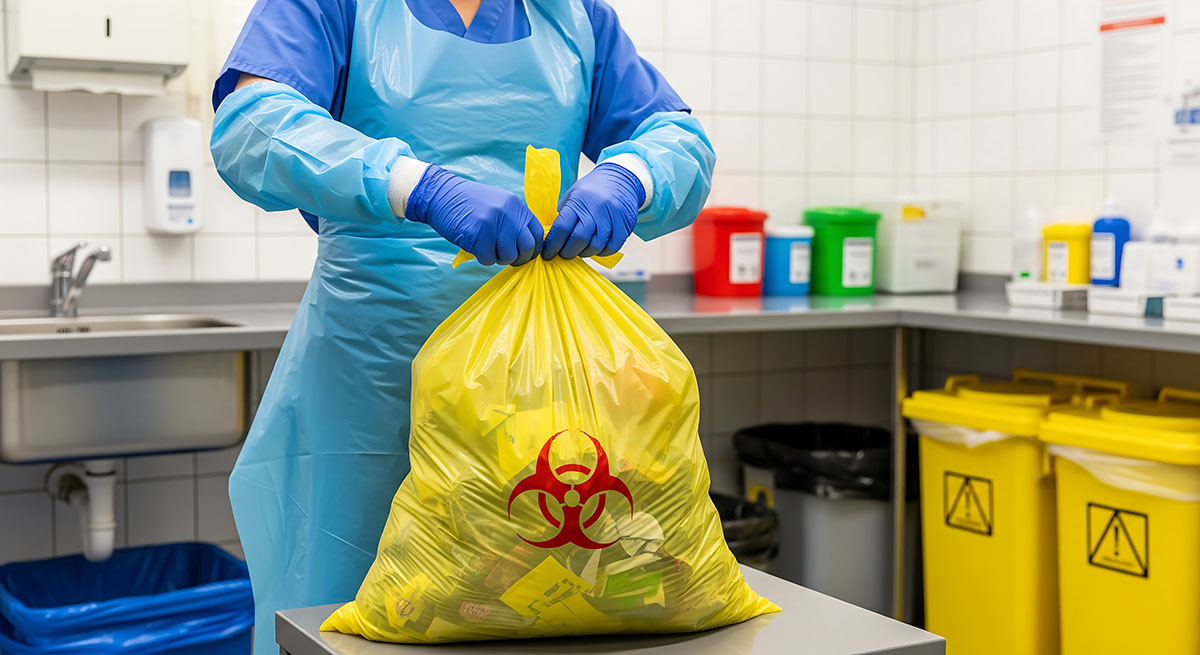
Polyolefins dominate healthcare packaging, but low recycling rates reveal a major sustainability gap in medical plastics waste.
Polyolefins, mainly polyethylene (PE) and polypropylene (PP), have become essential materials across the healthcare industry. They appear in medical packaging, pharmaceutical packaging, medical devices, drug delivery systems, diagnostic products, and hospital consumables.
From syringes and IV containers to specimen bottles and surgical wraps, these materials support safe and efficient healthcare operations. However, their widespread use also creates a growing sustainability challenge.
The Everyday Materials Powering Modern Healthcare
Consider a patient visiting a hospital for diagnosis and treatment. The medicines they receive may arrive in polyethylene-based packaging. Meanwhile, diagnostic kits often contain polypropylene components.
Medical devices, pharmaceutical products, and laboratory supplies also commonly rely on polyolefin packaging. These materials protect products from contamination, moisture, chemical exposure, and physical damage. Healthcare providers prefer polyolefins because they are lightweight, durable, chemically resistant, and compatible with sterile applications. In many cases, they also offer the cost-effectiveness needed for high-volume medical use. However, once treatment ends, much of this packaging and many single-use products enter the waste stream. As a result, the same materials that support safe healthcare delivery also contribute to growing plastic waste.
Healthcare’s Growing Plastic Footprint
Healthcare facilities generate large amounts of waste every year.In the United States, hospitals produce approximately 14,000 tons of waste every day. Total healthcare waste is estimated at nearly 5.9 million metric tons annually. Plastic accounts for around 1.7 million metric tons of this waste, representing close to 30% of the total. This includes materials from pharmaceutical production, medical device manufacturing, clinical laboratories, and hospital operations.
However, the waste stream also contains an important opportunity. Nearly 85% of healthcare waste is classified as non-infectious.
That share creates room for better segregation, recycling, and recovery systems across the healthcare supply chain. With stronger infrastructure, hospitals and suppliers could recover more clean plastic before it goes to landfill or incineration.
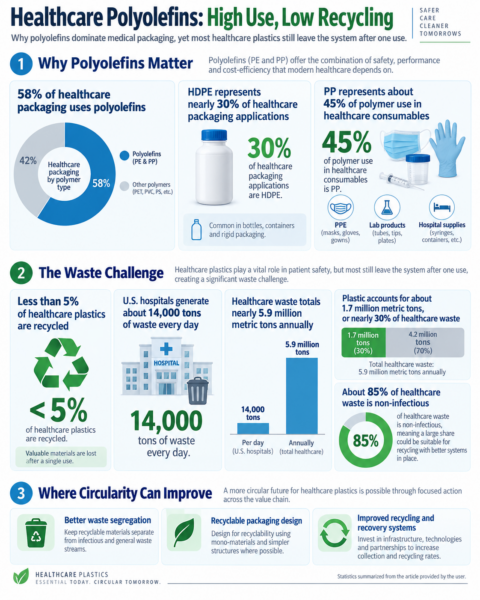
Infographic showing the use of polyolefins in medical packaging and healthcare consumables, and the recycling gap facing the healthcare sector. Credit: Plastics Engineering, based on Towards Healthcare Research and Consulting study.
Why Polyolefins Dominate Healthcare Packaging
Polyolefins account for approximately 58% of healthcare packaging materials. That share makes them the most widely used plastics in medical packaging. High-density polyethylene (HDPE) alone represents nearly 30% of healthcare packaging applications. These materials help protect pharmaceuticals, vaccines, biologics, diagnostic reagents, and medical devices from contamination and damage.
Their performance profile explains this dominance. PE and PP can provide chemical resistance, toughness, sealability, lightweight handling, and reliable protection at a competitive cost. In healthcare, those characteristics matter because packaging must support product safety and regulatory compliance. Materials must protect sensitive products while remaining practical for large-scale production and distribution.
As demand grows across pharmaceutical packaging and medical devices, polyolefin use will likely continue to expand. However, this growth makes end-of-life management more urgent.
The Recycling Challenge Facing Healthcare Plastics
Despite their recyclability, most healthcare plastics do not enter recycling systems today.
Less than 5% of healthcare plastics in North America and Europe are currently recycled. Instead, most materials move to landfills or incineration facilities after a single use. Several barriers explain this low recovery rate. Medical waste requires strict handling procedures, while hospitals often lack dedicated recycling infrastructure for clean plastic streams.
Packaging design can also make recycling harder. Some formats combine multiple materials, coatings, labels, or barrier structures that recyclers cannot separate easily. As a result, large volumes of valuable polyethylene and polypropylene leave the material cycle. This loss creates both an environmental concern and a missed resource opportunity.
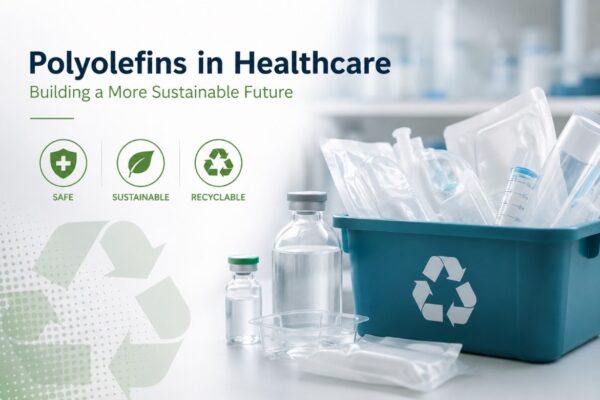
Healthcare packaging relies heavily on polyolefins because they combine durability, chemical resistance, and cost-effective performance. Source: Towards Healthcare Research and Consulting.
Circular Solutions Start With Cleaner Streams
Healthcare organizations, pharmaceutical manufacturers, and medical device companies are increasingly investing in sustainability initiatives.
Many hospitals are introducing collection programs for clean plastic waste streams. These programs can separate non-infectious materials before they become mixed with regulated medical waste.
Packaging manufacturers are also developing recyclable designs and reducing material use where possible. Lightweighting, mono-material structures, and improved labeling can support better recovery. Polypropylene accounts for about 45% of polymer use in healthcare consumables, including personal protective equipment, laboratory products, and hospital supplies.
These high-volume applications create significant opportunities for recycling and material recovery. However, success depends on segregation, design, and collaboration across healthcare and recycling systems.
The Next Chapter for Sustainable Healthcare Packaging
The healthcare industry is gradually moving toward a more circular approach to plastic use.
Hospitals, pharmaceutical companies, medical device manufacturers, and recyclers are working together to improve waste management and reduce environmental impact. New strategies include recyclable packaging, lightweight materials, advanced recycling technologies, and improved waste segregation practices. Polyolefins will continue to play a critical role across pharmaceutical packaging, medical devices, hospital supplies, and healthcare consumables. They deliver the safety, performance, and affordability these applications require.
The next step is keeping more of these materials in circulation after use. Better recovery systems can reduce plastic waste while preserving the benefits that PE and PP bring to patient care. By improving sustainability throughout the product lifecycle, the healthcare sector can reduce waste without compromising safety, sterility, or reliability.
This article was written by Towards Healthcare Research and Consulting and edited for online publication by Juliana Montoya.

Juliana Montoya is Director of Content for Plastics Engineering. A mechanical engineer with an MSc in materials engineering, she has experience as a sustainability and packaging consultant focused on ecodesign and recycling. Her work centers on technical content for the plastics industry, connecting polymer innovation, manufacturing trends, and sustainability strategy for industry audiences.