
Why Plastic Additives Matter for Performance and Circularity

Plastic additives enabled global polymer growth, but today they also create new challenges for recycling, compliance, and circular material design.
Additives Turned Resin Into Industry
Commodity polymers rarely reached markets in pure form. Manufacturers needed additives to process them reliably and extend their lifespan. V. Marturano and colleagues in Physical Sciences Reviews confirm that additives became essential performance tools, not secondary ingredients.
You can also read: Additives in Action: Enhancing Plastic Recycling
PVC makes this point clear. Unmodified PVC degrades under heat and processes poorly. Plasticizers added flexibility. Heat stabilizers prevented breakdown during extrusion. Lubricants improved flow, and impact modifiers boosted toughness. Pigments and fillers expanded design options and cut costs.
Those formulations opened global markets fast. Flexible PVC entered wire insulation, flooring, medical tubing, and coated fabrics. Rigid grades supported pipes, window profiles, and construction products. SONGWON’s technical materials show how stabilizers and plasticizers enabled uses from signage to inflatable products. Compounding then industrialized customization. Twin-screw extrusion systems mixed polymers with additives, fillers, and reinforcements under controlled heat. Patent literature on counter-rotating twin-screw systems shows how compounders managed dispersion while limiting degradation.
Stabilization Enabled Polyolefin Expansion
Polyolefins faced different problems. Polyethylene and polypropylene processed well, but oxidation and sunlight shortened product life. Antioxidants, phosphites, UV absorbers, and HALS packages fixed those weaknesses.
Pfaendner’s 2025 historical review in Macromolecular Materials and Engineering traces how antioxidant chemistry advanced beyond early hindered phenols. Those packages protected polymers during extrusion, molding, storage, and outdoor use.
The impact went far beyond chemistry. Stabilized polyolefins supported agricultural films, automotive parts, appliances, pipes, and packaging. Nucleating agents improved polypropylene stiffness and clarity. Slip and anti-block additives improved film handling. Masterbatches simplified global manufacturing with concentrated coloring and additive systems.
Companies like Avient built entire businesses around this model. Compounders increasingly sold application-specific platforms, not generic resin grades.
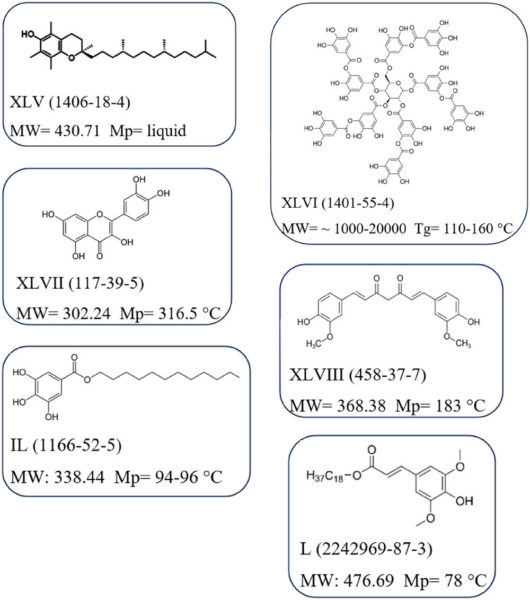
Modern antioxidant systems protect polymers from heat, oxidation, and long-term degradation during processing and use. Courtesy of A Brief History of Plastic Additives.
Circularity Creates a New Reckoning
Those same additives now complicate recycling and compliance efforts. Legacy formulations contain thousands of chemicals with varying toxicological profiles and disclosure histories.
UNEP’s 2023 Chemicals in Plastics report identified over 13,000 chemicals linked to plastics. It flagged concern groups including phthalates, brominated flame retardants, PFAS, bisphenols, metals, and NIAS.
That complexity creates real challenges across the value chain. Additives can disrupt sorting systems, remelting behavior, odor control, food-contact approvals, and recycled-content targets. ECHA’s additive mapping initiatives and PVC investigations reflect growing regulatory pressure on legacy chemistries.
The industry now faces a genuine strategic shift. Earlier generations optimized plastics for durability, flexibility, flame resistance, and low cost. Today’s formulations must also support transparency, traceability, and recyclability. Finally, that shift will redefine compounding itself, and future growth may rely less on peak performance alone. Balancing performance with circularity requirements will define success across global markets.

Mariana Holguin is a mechanical engineer with a master’s degree in finance. She specializes in the financial and strategic analysis of engineering projects, with experience evaluating capital investments, supply chain economics, and FP&A across industrial sectors.