
The Sensorial Container: Designing Packaging for All Five Senses
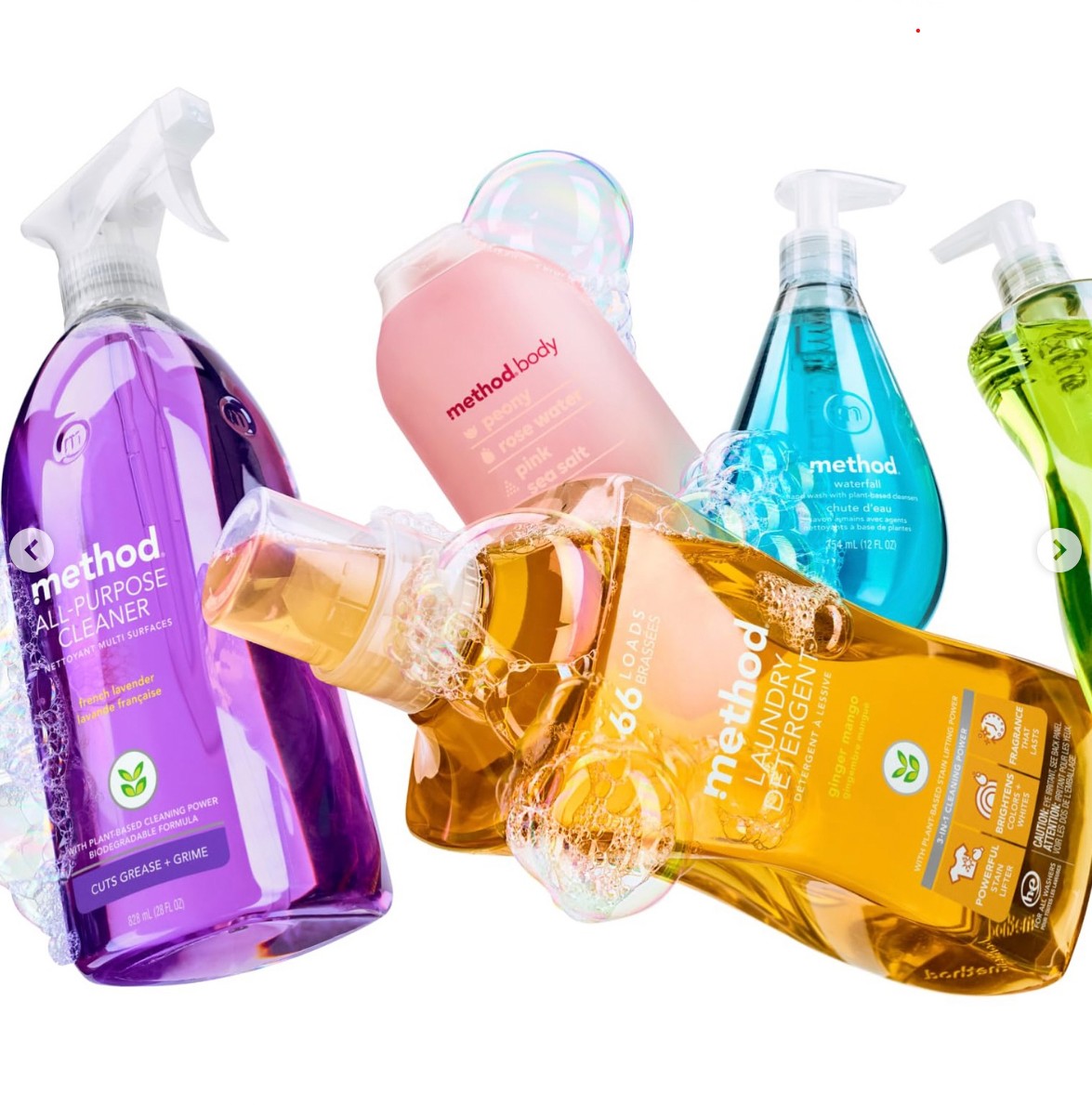
Sensory packaging uses sight, touch, sound, smell and taste to shape brand perception and create memorable product experiences.
We meet brands with our hands long before we meet them with our reasoning. A cap turns, a foil resists, a surface cools the fingertips, and an opinion forms. Packaging occupies this intimate territory every day of a product’s life. Understanding it as a sensorial system opens a design space most categories have barely entered.
You can also read: Why Emotional Packaging Matters to Younger Consumers
Perception is emotional before it becomes analytical. A container speaks through weight, temperature, sound, and resistance, and those impressions settle into memory faster than any written claim. Aesop’s amber bottles feel apothecary serious in the palm. Illy’s pressurized tin releases a sigh of trapped aroma that certifies freshness without a word. These experiences are designed with the same intention a brand brings to its logotype, and they earn loyalty through the body itself.
Five Channels, One Idea
Sight remains the entry point, carrying shape, color, and structure into a half second of shelf recognition. Touch settles the question of quality, since surface and rigidity tell us whether something is precious or disposable. Sound performs verification: a seal breaking, a pump priming, a wrapper unfolding. Smell primes anticipation and colors everything that follows. Taste answers to form, because the container decides portion, flow, and bite. Each channel can express the same idea in its own vocabulary.
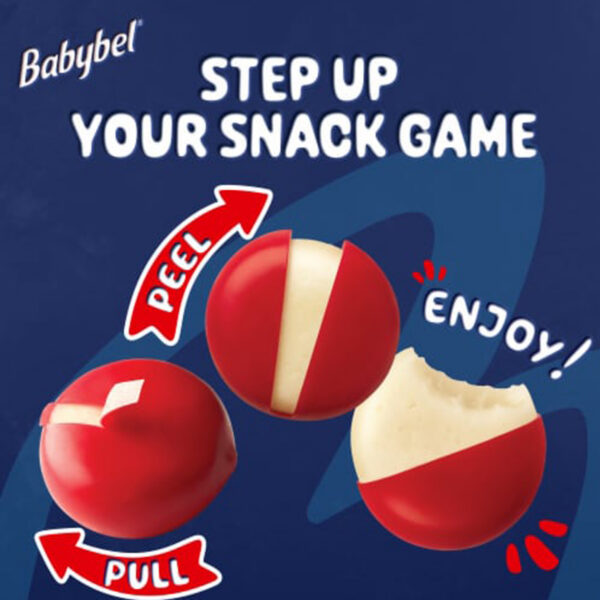
Babybel builds a three-step ritual into its wax shell, where pulling and peeling slow the moment down and prime appetite before the cheese ever reaches the mouth. Design by Bel Group.
Composing the Sequence
The useful discipline is choreography. A pack has a timeline that begins on the shelf and continues through first grip, opening, use, resealing, and disposal, and each of those moments can be composed with intention. A brand that promises calm should be quiet at the closure. A brand that promises indulgence should reward the fingers on the way in. Sensorial codes become distinctive assets when they repeat with the same discipline we demand of color and typography, building recognition in places where logos have no reach.
Ownable Sensations
The strongest sensorial signatures belong to a single brand. Ferrero Rocher owns the sound of foil surrendering. Perrier owns a bottle silhouette that feels like carbonation before the water arrives. These signatures are difficult to imitate and easy to remember, and they travel across formats, from primary pack to refill system to the moment a parcel is opened at home. Consistency across those encounters turns a pleasant detail into a durable memory structure.
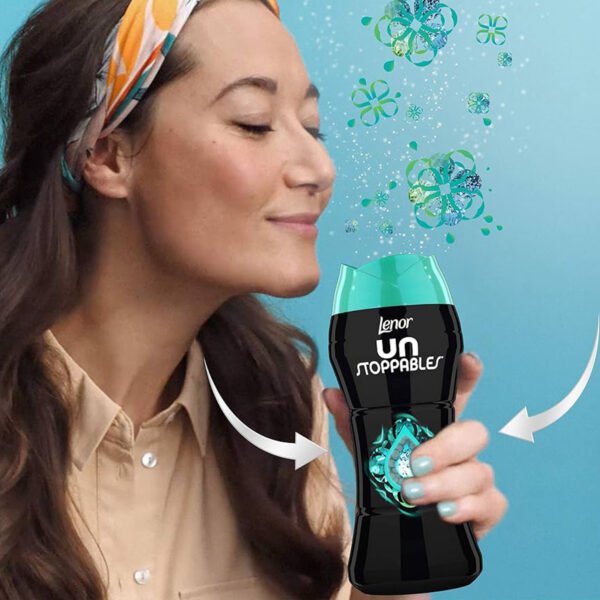
The detachable cap hides miniature perforations that release fragrance on the shelf, an olfactory sample that intensifies the instant a shopper presses the bottle. Design by Procter & Gamble.
The Package as Experience
Brands worth remembering will be judged by how completely they express one promise across every sense a person brings to them. Choreographing sight, touch, sound, smell and taste into a single coherent moment produces something a message alone cannot deliver, an experience that lives in the hands of its owner every day and asks for nothing in return.

Hernán Braberman is Partner and Creative Director at Tridimage, a packaging design agency in Buenos Aires. He leads design projects for major consumer brands and is also an international speaker, Branderman podcast host, and juror for top packaging design competitions.