
Why Emotional Packaging Matters to Younger Consumers
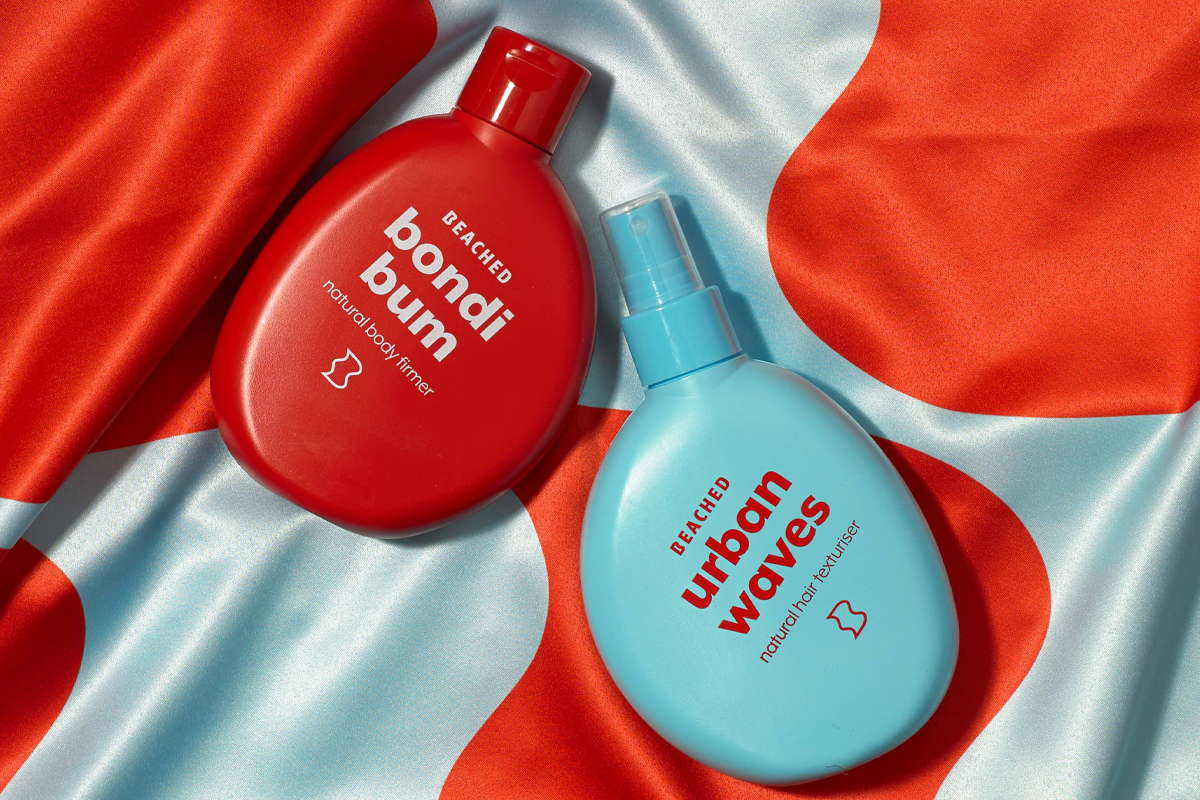
Packaging design is shifting toward tactile, emotional, and transparent experiences that build trust with younger consumers.
The consumers now entering their peak purchasing years carry expectations that challenge packaging at its most fundamental level: what a container communicates, how it feels in the hand, and what story it tells before the product inside is ever tasted. For packaging designers, understanding these expectations is becoming as important as understanding shelf dynamics.
You can also read: Neo Vintage Design: How Generation Z is Rewriting the Rules of Nostalgic Packaging.
When Packaging Becomes Emotional Territory
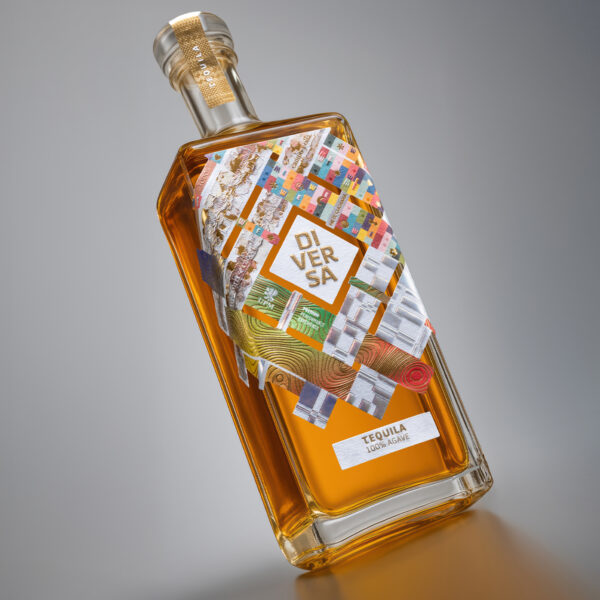
DIVERSA’s tequila label weaves five independent design voices from across Latin America into a single surface, each agency contributing a quadrant that interlocks like threads in a traditional textile, proving that collaborative authorship can produce a visual density no single studio would have reached alone. Concept and creative direction by Tridimage.
Younger consumers increasingly seek emotional resonance in the products they buy. Comfort, nostalgia, and sensory pleasure drive purchase decisions alongside nutrition and price. Packaging responds. Surface textures that evoke warmth, color palettes calibrated to trigger specific moods, typographic choices that whisper familiarity. The shelf is becoming a landscape of emotional cues, where the most successful designs are those that make consumers feel something before they read a single word.
Transparency You Can See Through
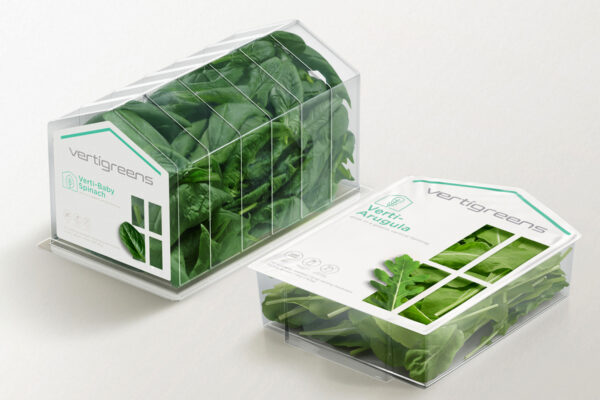
Vertigreens’ greenhouse-shaped container transforms the brand’s indoor farming technology into an architectural statement on the shelf. The clear structure turns material transparency into a literal trust signal where nothing is hidden between consumer and produce. Design by Prompt Design.
Health-conscious consumption is accelerating demand for honesty, and that honesty extends to the package itself. Consumers want to see what they are buying. They want materials that look clean, label systems that feel straightforward, and structures that communicate simplicity. Minimalist design is no longer an aesthetic preference. It is a trust signal. The brands earning loyalty in this space are those whose packaging feels as unprocessed as the product inside, where every design decision reinforces the idea that nothing is being hidden.
The Package as Experience
The appetite for novelty is redefining what a package can be. Unexpected formats, multisensory interactions, and structures that surprise the consumer are becoming competitive differentiators. A closure that clicks with satisfaction. A shape that feels unfamiliar in the hand. A surface that shifts under light. These are design decisions that transform a routine purchase into a moment of discovery. In a culture where unboxing is content and shelf presence is currency, the physical experience of a package carries enormous weight. The design challenge is to deliver delight within the constraints of production, logistics, and sustainability.
Provenance on the Surface
Authenticity and origin matter deeply to this demographic. They want to know where ingredients come from and whether the brand’s values hold up under scrutiny. Packaging design meets this expectation through visual storytelling: illustrations of landscapes, certifications displayed with confidence, and material choices that signal environmental commitment. The package becomes a document of provenance. Every graphic element or structural choice either builds credibility or erodes it.
A New Creative Brief
The emerging consumer generation is writing a new brief for packaging designers. It asks for containers that feel intentional, surfaces that communicate integrity, formats that deliver surprise, and visual systems that prove their own authenticity. The most compelling packaging ahead will be the kind that earns trust at first touch and rewards curiosity at every layer.

Hernán Braberman is Partner and Creative Director at Tridimage, a packaging design agency in Buenos Aires. He leads design projects for major consumer brands and is also an international speaker, Branderman podcast host, and juror for top packaging design competitions.