Kubik: Building Brick by Brick with Plastic Waste
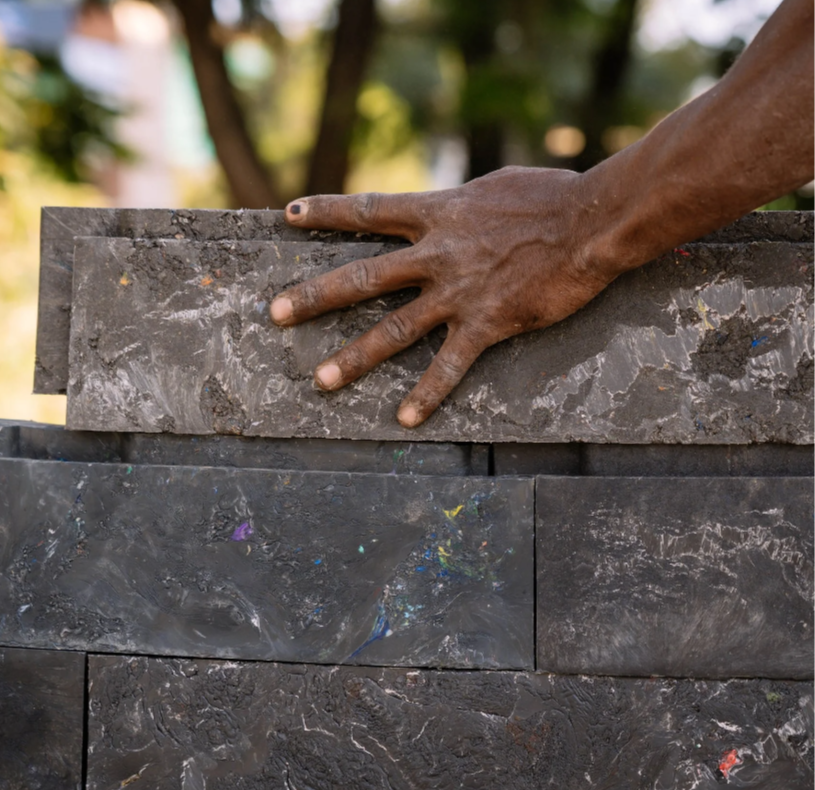
Upcycled plastic becomes durable, low‑carbon building materials as Kubik transforms waste into affordable, interlocking components for sustainable construction.
According to the Organization for Economic Co-operation and Development (OECD), the amount of plastic waste produced worldwide is expected to triple to more than 1,000 million tons by 2060. It is estimated that developed countries will continue to generate the most plastic waste per person.
You can also read: Polypropylene Waste for Binder Use in Building Materials.
Still, regions such as Africa and Asia are expected to see the fastest growth due to rapid population growth and urbanization. Even so, African startups have embraced and integrated green technologies to mitigate climate change and reduce carbon footprints.
A Standout in East Africa’s Green Technology Sector
Kubik, headquartered in Addis Ababa, Ethiopia, is an environmental technology company that transforms plastic waste into affordable, low-carbon building materials. Founded in 2021 by Kidus Asfaw, Kubik is a key standout in the region’s green technology sector. Their mission to combat climate change and reduce construction carbon footprints aims to help solve Ethiopia’s housing crisis. They are tackling these problems by producing plastic construction bricks from hard-to-recycle plastics. Kubik is combining positive social impact, circular-economy principles, and low-carbon construction as scalable solutions to the region’s most pressing challenges, such as the affordable-housing shortage and plastic-waste management.
Transforming Plastic Waste to Structural Goods
The startup technology involves converting difficult-to-recycle plastic waste, like polyethylene, polypropylene, and polystyrene, into durable, structural building materials. Though their source stream requirements are not public, some possibilities may come from household durable goods, automotive components, electrical housing, and possibly previous structural construction components.
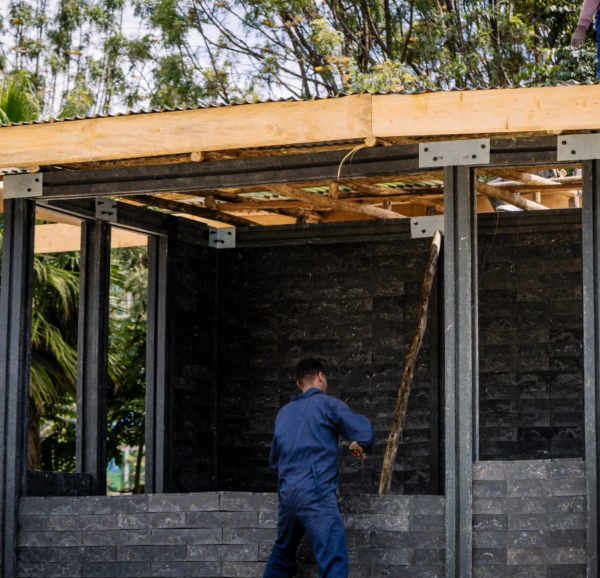
Ongoing construction showcasing Kubik’s structural bricks, columns, and beams. Courtesy of Kubik.
The structural construction components engineered by Kubik produce an interlocking system. This enables fast, affordable assemblies with an average 40% cost savings compared to commonly used masonry techniques. Developers can construct walls without the traditionally required cement, aggregates, and steel. This is all possible without compromising structural integrity while matching cement-based structures, according to a TechCrunch interview with Asfaw. Additionally, Asfaw explains that bricks, columns, and beams are designed with chemical properties that make them safe to use, providing both flame resistance and long‑term durability without degradation. From a sustainability perspective, they enable about 45,000 kg of plastic waste per day to be repurposed by local communities. Furthermore, Kubik’s plastics components produce lower carbon emissions by five times compared to traditional cement-based blocks.
From Pollution to Production: Bricks, Columns, and Beams
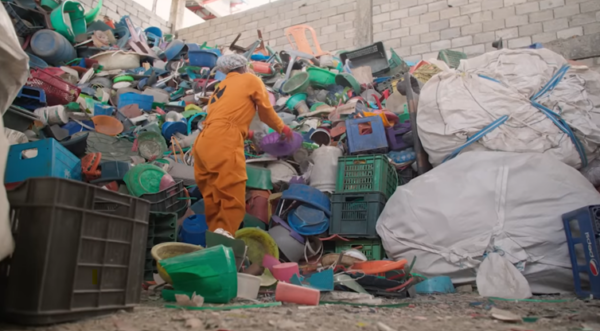
Image of Kubik’s labor force during the plastic collection and sorting process. Courtesy of the 28th United Nations Climate Change Council Conference.

Jennifer Chavez is a chemist-turned materials scientist with expertise in advanced plastics manufacturing and experience spanning orthodontic medical devices, consumer products, and renewable energy. She currently works as a materials engineer in the aerospace sector, focusing on process development and compliance for flight-critical hardware.