
Human Chaos: The Design Rebellion Against Algorithmic Perfection
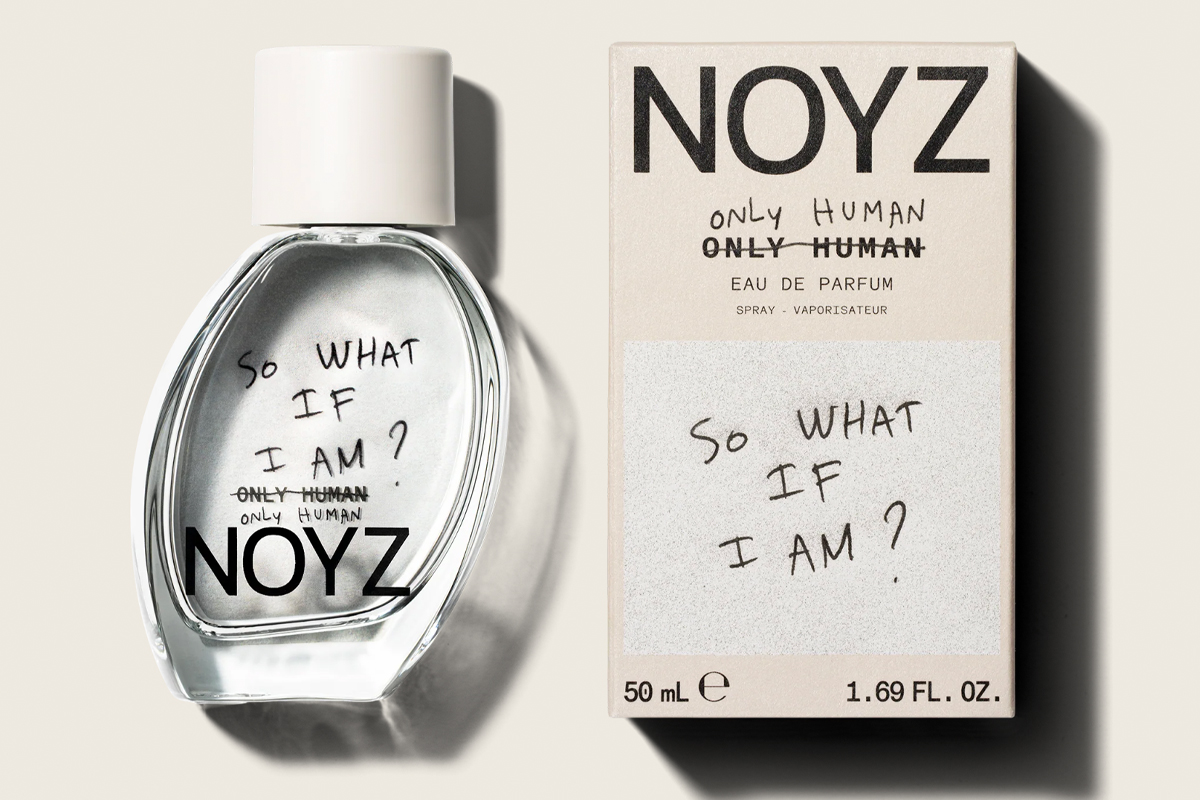
Packaging design embraces imperfection, using messy typography and human flaws to counter AI-driven aesthetics and build consumer trust.
Something curious happens when every design tool defaults to identical aesthetics. Photoshop’s neural filters, Canva’s AI companions, and countless generative platforms now produce the same flawless gradients, perfect symmetry, and eerily smooth synthetic faces. The result comes across as sterile, homogenized, and ultimately unconvincing. Consumers sense this disconnect immediately. When packaging arrives too polished, too algorithmically optimized, trust evaporates.
You can also read: Plastics in Industrial Design: A Catalyst for Change.
The Human Chaos movement emerges from this tension, offering packaging designers a vocabulary of deliberate disorder that speaks directly to our hunger for connection in an increasingly automated world.
Where Machines Stumble, Designers Find Freedom
The rebellion takes multiple forms, each exploiting creative territories where artificial intelligence remains demonstrably weak. Charcoal-smudged letterforms carry the evidence of physical pressure and gesture. Pen-and-ink illustrations reveal the tremor of a human hand, the hesitation before a stroke, the decision to leave a mistake visible. Typewriter fonts evoke mechanical imperfection from an analog era. Limited-run artist collaborations transform packages into collectible objects that celebrate singular vision over infinite reproduction.
Designers also lean into compositional complexity that algorithms struggle to orchestrate convincingly: dense visual layering, mixed-media collages, overlapping textures that create depth through accident as much as intention. These approaches introduce nuance that automated systems cannot authentically replicate.
Naive Aesthetics and the Power of Childlike Gesture
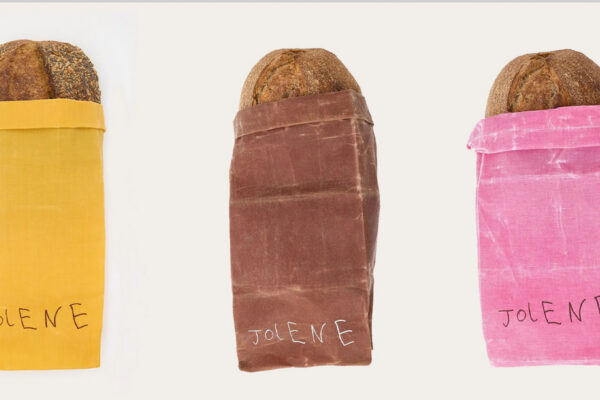
Jolene´s artisan bakery identity exemplifies naive aesthetics through authentic childlike gesture. Minimal direction during creation preserves genuine imperfection over polished refinement. Design by Studio Frith.
Childlike linework in packaging signals more than style, as designers use imperfection to communicate authenticity and emotional connection with consumers. Wobbly lines, unstable letterforms, and untrained compositions align with naive design, in which visible imperfection becomes the primary carrier of warmth. In some cases, brands extend this approach further, commissioning children to create logo elements that professionals cannot authentically reproduce. Moreover, recent launches feature handwritten elements alongside refined layouts, creating a tension that feels both polished and intimate. This strategy reflects a paradox, as consumers seek emotional resonance while still expecting clarity and functional precision in packaging systems. Consequently, handwritten typography acts as a bridge, introducing personality while preserving legibility and maintaining structural coherence across packaging formats.
Strategic Disorder Within Functional Frameworks
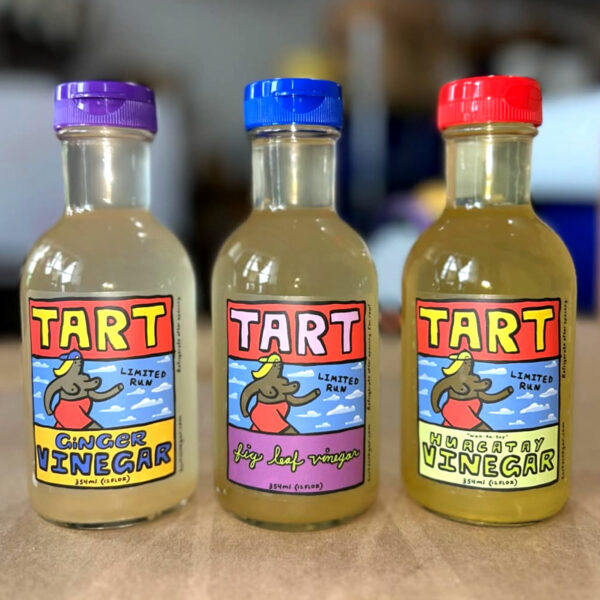
Vinegar bottle labels execute artisanal positioning through vibrant illustrative maximalism: whimsical cartoon-style drawings evoke nostalgic hand-drawn animation cells, bold blocky typography provides structural counterpoint to organic illustration work, and saturated color palette creates emotional resonance that transcends clinical digital rendering. Design by Rob Moss Wilson.
At the same time, designers must calibrate disorder carefully, ensuring expressive elements do not compromise usability or confuse critical product information. Successful implementations isolate chaos within defined zones while maintaining strict hierarchy for essential details such as ingredients and product names. For example, typography may appear spontaneous, while regulatory information remains clean, structured, and easily scannable for consumers in retail environments. Similarly, illustrations may adopt collage layering or graffiti gestures, yet brand identifiers remain clear and visually dominant on packaging. In addition, designers use misregistration, textured finishes, and annotation graphics to simulate analog imperfection and reinforce visible human presence. These details invite closer inspection, encouraging consumers to question origin and engage emotionally with products beyond their functional role. Ultimately, Human Chaos represents a response to algorithmic sameness, asserting that imperfection and irregularity carry irreplaceable expressive value in design.

Hernán Braberman is Partner and Creative Director at Tridimage, a packaging design agency in Buenos Aires. He leads design projects for major consumer brands and is also an international speaker, Branderman podcast host, and juror for top packaging design competitions.