Circular Automotive – IKV Colloquium Drives Real Change
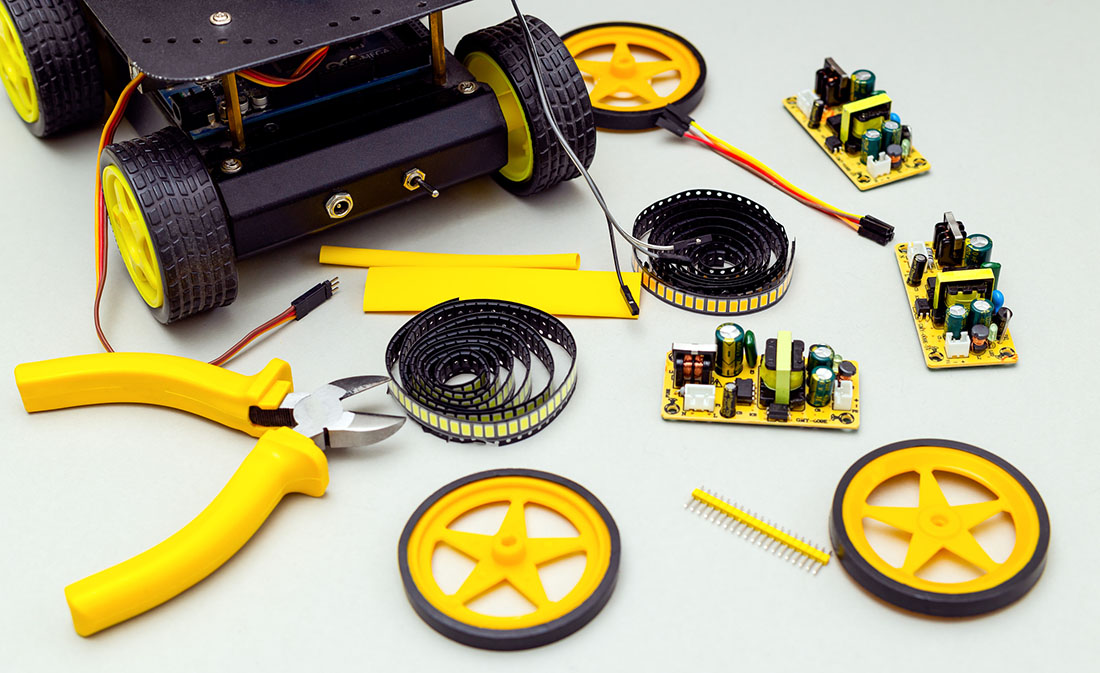
OEM and material supplier innovations reveal breakthrough circularity solutions driving sustainable mobility at IKV Colloquium 2026.
The focus key phrase “creating circular value chains in automotive” captures one of the central messages that defined the IKV Colloquium 2026 in Aachen. The event brought leaders from industry and academia together to accelerate circularity in mobility. Because the automotive sector now faces increasing regulatory pressure, material constraints, and customer expectations for sustainability, the Colloquium created a space where experts could align on practical pathways for future-ready vehicle development.
You can also read: 32nd IKV Colloquium, The Five Cutting-Edge Topics.
Volkswagen: Circularity as a Strategic Driver
Volkswagen’s keynote delivered a strong message: circularity strengthens resilience, opens new revenue sources, and ensures long-term compliance. Dr.-Ing. Werner Tietz emphasized that upcoming regulations will reshape material strategies across the automotive world. These regulations will require 15% recycled plastics by 2032 and 25% by 2036, with all of it coming from post-consumer sources and at least 20% implemented in automotive closed loops. Additional steel and aluminum targets are also expected. As a result, Volkswagen plans its material transitions well ahead of regulatory timelines.
To achieve this shift, Volkswagen promotes a Re‑X strategy for batteries—Reuse, Repurpose, and Recycle. This method increases the value of each battery, because it reduces costs, strengthens supply resilience, and supports long-term sustainability goals. It also prepares the company for future battery legislation that will place strong demands on traceability and recovered content.
Real Vehicle Examples: T‑Roc and CUPRA RAVAL
Volkswagen shared concrete examples that demonstrate its shift toward circularity. The T‑Roc already contains 40 kg of recycled plastics and includes 140 interior and exterior parts with partial or full recyclate content. Its underbody panel even uses 3% post‑industrial and 95% post‑consumer material, marking the highest recyclate share in any Volkswagen model today.
The CUPRA RAVAL follows a similar philosophy, using 36% recycled plastics and featuring 14% recycled thermoplastic parts. Although some recycled components were removed to meet cost constraints, the model still shows how circularity can work in high-volume production.
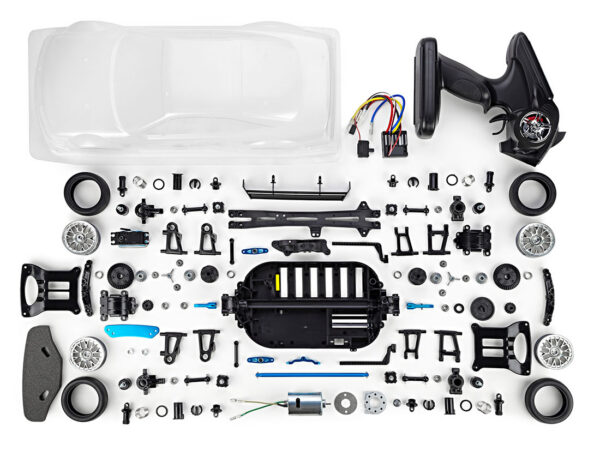
Volkswagen promotes a Re‑X strategy for batteries—Reuse, Repurpose, and Recycle. This method increases the value of each battery, because it reduces costs, strengthens supply resilience, and supports long-term sustainability goals.
Materials and Design Innovation for Future Models
Volkswagen highlighted the growing importance of mono-material PET, which supports fiber, injection, and foaming applications. Because mono-materials simplify sorting and recycling, they make circularity far more efficient. The company also invests in circular interiors, non-fossil polymers, advanced disassembly technologies, and innovations like SIBORA Uni‑Alloy steel. With these developments, Volkswagen moves closer to a fully circular design culture.
Evonik: Enabling Circularity Through Material Science
Evonik’s keynote demonstrated how material suppliers accelerate circular transformation across the automotive value chain. Dr. Patrick Gloeckner explained that Evonik supports OEMs through a combination of design‑for‑circularity, product‑life extension, and innovations that improve recyclate quality. The company develops additives and material solutions that allow manufacturers to increase recyclability, reduce material use, and improve durability, all while complying with growing Extended Producer Responsibility requirements. These measures help automotive brands reduce environmental impact while keeping high performance standards.
Evonik also presented technologies that improve the processing of post-consumer materials. For example, the company enhances recyclate stability with advanced additives, increases purity through innovative de-inking and decoating processes, and boosts overall performance by enabling PCR and PIR materials to achieve homogeneity comparable to virgin plastics. Because mechanical test results show that 100% PCR materials can now approach OEM specifications, manufacturers gain new confidence in using recycled content in demanding applications. Furthermore, Evonik collaborates with value‑chain partners—including disassemblers, recyclers, and OEMs such as BMW—to build effective closed‑loop systems for automotive-grade polypropylene. These collaborations show how coordinated action across the chain enables circularity at scale.
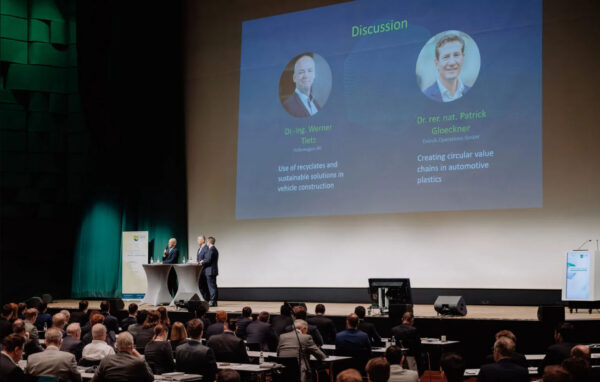
Both Volkswagen and Evonik reached the same conclusion: the automotive industry will only achieve real circularity when manufacturers, suppliers, recyclers, and research institutions innovate together. Photo courtesy of IKV.
Evonik additionally supports the transition toward clean mobility through high-performance materials like VESTAMID® PA12, which enable hydrogen tank liners, pipelines, and thermoplastic composite pipes. These innovations reveal how circularity and low‑carbon mobility technologies reinforce each other as automotive ecosystems evolve.
Why Collaboration Defines the Future of Automotive Circularity
Both Volkswagen and Evonik reached the same conclusion: the automotive industry will only achieve real circularity when manufacturers, suppliers, recyclers, and research institutions innovate together. The IKV Colloquium supports this collaboration by combining keynote sessions, technical presentations, live laboratory demonstrations, and an industry exhibition. This structure allows experts to exchange ideas quickly and turn early research into scalable industrial solutions. Because IKV brings science and industry into direct contact, it accelerates the development of new circular materials, processes, and partnerships.
Looking Ahead to 2028: The 34th IKV Colloquium
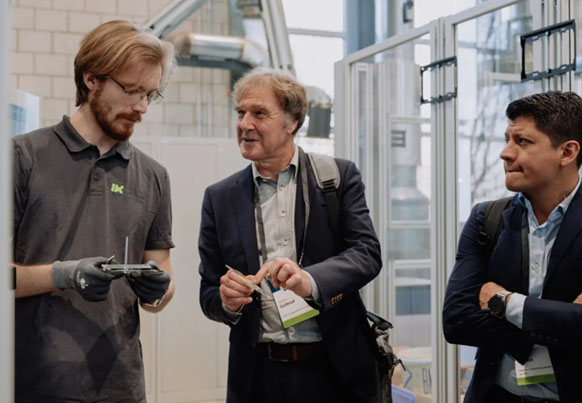
IKV Colloquium 2026: This event will serve as an important checkpoint to measure progress in recyclate integration, closed-loop manufacturing, and circular design strategies. By then, the industry will likely face even stronger regulations, making collaboration and innovation more essential than ever. Photo courtesy of IKV
The next major gathering for the plastics and automotive sectors will take place in 2028 at the 34th IKV Colloquium. This event will serve as an important checkpoint to measure progress in recyclate integration, closed-loop manufacturing, and circular design strategies. By then, the industry will likely face even stronger regulations, making collaboration and innovation more essential than ever.
You can also read: Internationales Kolloquium Kunststofftechnik | IKV-Aachen.