
Transforming Packaging into Recognition Tools
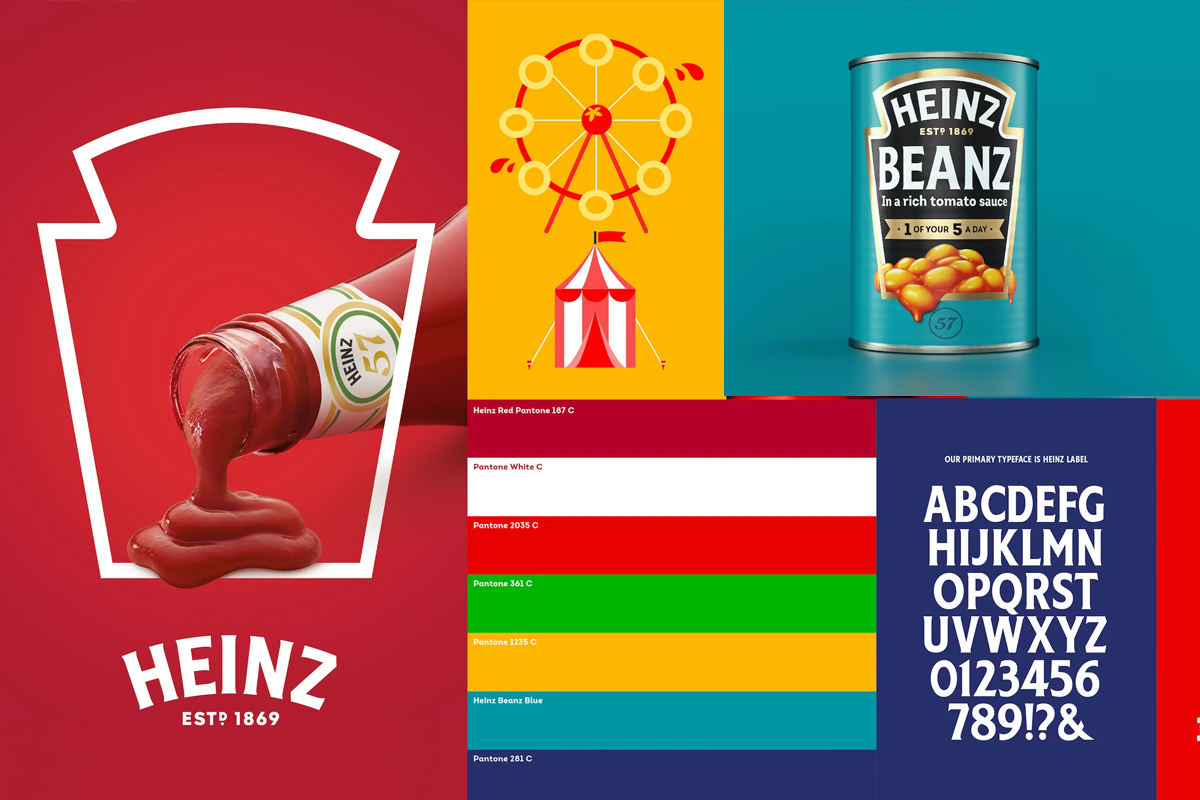
Only 15% of brand assets are truly distinctive. Research confirms that product form and structure drive brand memory more effectively than color.
In a marketplace where consumers encounter thousands of products daily, most packaging investments focus on visibility. The real challenge lies elsewhere. Research reveals that only fifteen percent of brand assets achieve true distinctiveness, the dual capacity to be both recognized and correctly attributed. This gap between investment and effectiveness stems from a fundamental misunderstanding about how brand memory actually builds.
You can also read: When Packaging Shape Speaks Louder Than Words.
The Science Behind Brand Recognition
Jenni Romaniuk, Research Professor at the Ehrenberg-Bass Institute, has dedicated decades to understanding how brand assets build what she calls mental availability. Her research reveals a fundamental truth: brands need neural highways in consumer minds. When purchase decisions happen in seconds, these mental shortcuts determine which products enter consideration.
Romaniuk establishes two criteria for asset effectiveness: fame and uniqueness. Fame measures how many people recognize the asset. Uniqueness determines whether it is correctly attributed to a single brand. An asset achieves distinctiveness only when both dimensions score high. Without this dual strength, elements on packaging occupy space without building memory.
The Hierarchy of Asset Performance

Johnnie Walker exemplifies the principle of “fresh consistency” through persistent amplification of its striding man character across generations of packaging design. The silhouetted figure achieves recognition levels that exceed most logos, operating as a visual shortcut that triggers brand recall before conscious processing begins. Courtesy of Diageo.
The research produces surprising findings about which asset types perform best. Product forms lead decisively in building distinctive recognition. Logos follow as the second most effective category. Mascots and characters occupy the middle ground. Slogans disappoint despite their ubiquity in marketing. Color performs weakest among all asset types.
This hierarchy challenges conventional packaging priorities. The physical structure of the container offers the most powerful branding tool, yet receives the least strategic attention. Most redesign efforts focus on surface treatments—graphics, colors, typography—while leaving structural opportunities unexplored. The data suggests reversing this emphasis.
Fresh Consistency: The Strategic Balance

Caprice shampoo bottles demonstrate how structural design functions as a powerful distinctive brand asset. The traveling groove pattern achieves distinctiveness through three-dimensional geometry rather than applied graphics, creating tactile recognition that persists regardless of label. Design by Colgate-Palmolive Latin America with tridimage.
Romaniuk introduces the concept of “fresh consistency” to describe the delicate balance brands must maintain. Consistency builds the mental structures that enable quick recognition. Freshness prevents obsolescence. The tension between these forces explains why asset management proves so difficult.
Organizations often pursue novelty when they should pursue consistency. The “new broom syndrome” strikes when leadership changes. New marketing directors arrive with fresh perspectives and inadvertently destroy assets that took decades to build. Research shows brands measuring dramatic effectiveness decreases after radical redesigns. Memory structures built over years erode rapidly through disruption.
Yet measurement remains rare. Most organizations rely on intuition, focus groups, or personal preference rather than quantitative methods to guide packaging modifications. This absence of data explains why valuable assets disappear when design trends shift or when agencies propose contemporary aesthetics over accumulated equity.
Building Mental Highways
Mental availability functions like highway systems in the brain. Repeated exposure to distinctive assets creates faster neural pathways to brand recall. Romaniuk’s highway metaphor illuminates the process: when consumers need a product from a category, their minds travel established routes to familiar brands. These mental highways don’t develop through single exposures. They require consistent repetition over extended periods.
The discipline to measure before modifying separates lasting brands from transient ones. Quantitative tracking reveals which assets drive recognition and which elements distract without adding value. Brand memory builds incrementally through repetition, yet erodes catastrophically through disruption. Whether molded into container geometry, embossed into surfaces, or integrated through color and character systems, distinctive assets compound their value over time. The question becomes not what to change, but what to protect.