Digitalization: A Tool to Access Industry Knowledge
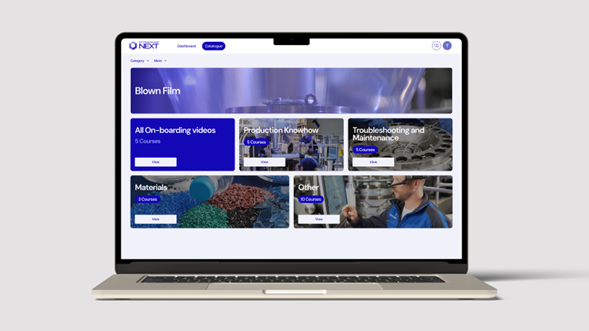
Digitalization bridges the knowledge gap in the plastics industry. AI tools, smart displays, and chatbots capture expert data for future generations.
This first installment of a three-part series explores how digitalization is shaping the plastics industry. Specifically, we analyze how digital tools transform education, troubleshooting, and the transfer of generational knowledge. The term digitalization often carries different meanings; some associate it with digital models, while others focus on monitoring, database building, or artificial intelligence.
All these insights are correct. The umbrella of digitalization is broad, covering technologies from additive manufacturing and augmented reality to cybersecurity and process monitoring. Consequently, the industry is rapidly moving toward a digital transformation that redefines how we handle information.
Making Information Accessible
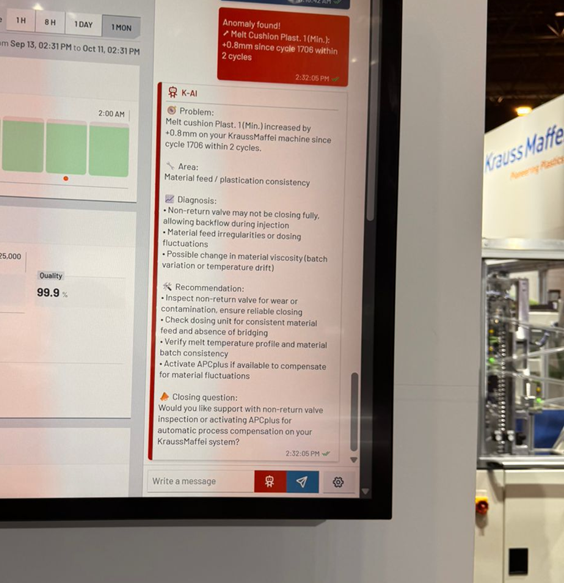
Chatbots enable direct interaction with machines for troubleshooting. They make information available and make handbooks easier to access. Courtesy of KraussMaffei.
One of the most significant challenges for the current generation is the loss of a skilled workforce. As experts retire, transferring their knowledge becomes vital. Digitalization aids this process in two ways: it makes knowledge readily available and tracks veteran workers’ experiences.
For example, machine manufacturers now use AI to develop multilingual training videos for operation and troubleshooting. In this way, plastic converters in different countries can access standardized expertise without language barriers. Furthermore, AI-driven chatbots allow operators to enter specific questions and receive immediate setup adjustments or machinery solutions.
Information integration within the machine display also marks a major trend. Notably, manufacturers such as Arburg are including data on molds and tempering units directly within the main control unit. As a result, operators can monitor water conditions, mold maintenance, and thermal cycles on a single screen.
Knowledge Transfer and Management
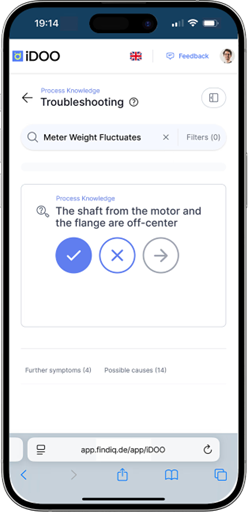
iDOO is a tool for capturing and accessing knowledge stored in the heads of experienced experts. It can capture solution processes as they are spoken and then structure the information for a step-by-step approach. Courtesy of iDOO.
Because experienced operators are retiring and younger generations exhibit higher rotation rates, capturing troubleshooting approaches is critical. A company named iDOO GmbH addresses this through an experience-based assistant.
This tool captures spoken information from operators—similar to a consumer smart assistant—and makes it accessible across the workforce without a steep learning curve. Additionally, the system suggests troubleshooting solutions to improve productivity. Once a question is placed on the screen, a step-by-step guide appears to solve the problem. Ultimately, this approach avoids the inefficiency of trial and error by supporting decision-making based on proprietary databases and supplier experience.