
What Comes Next for EPS Recycling in the UK
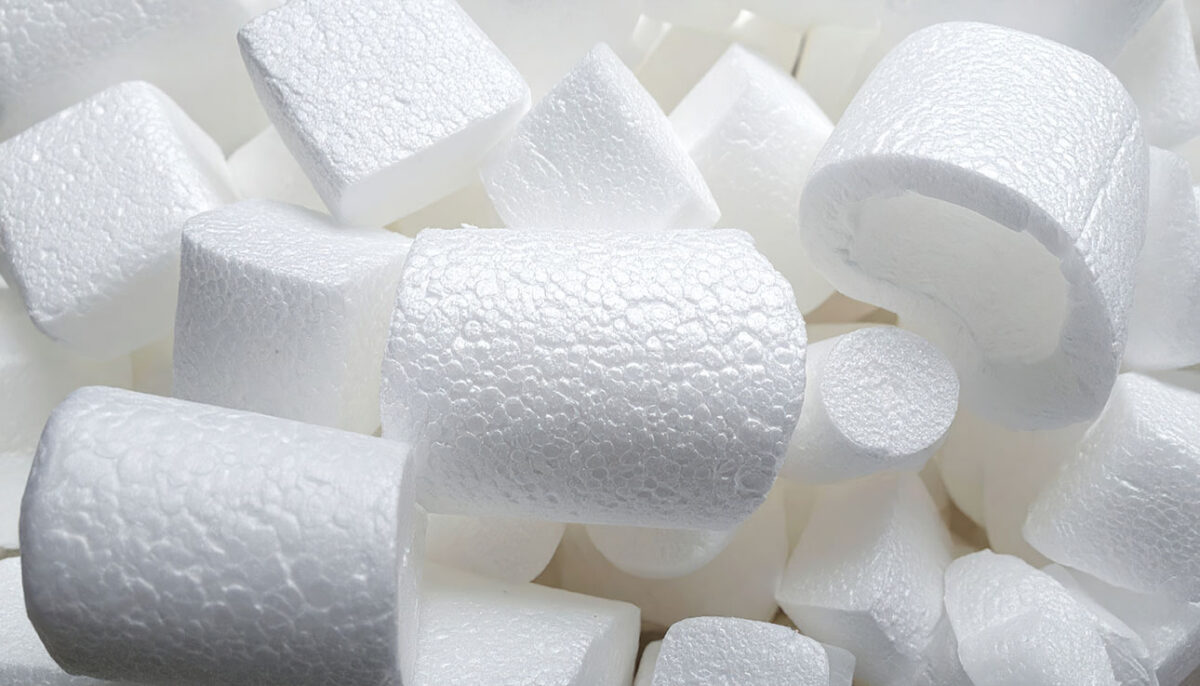
How the UK is scaling EPS recycling through better data, new collection tools, and chemical routes, while awareness still lags.
EPS Recycling Rises but Challenges Remain
EPS recycling is gaining strategic importance as the UK moves toward its 2050 net-zero target. Industry experts from the BPF EPS group in the UK estimate that 66% of discarded EPS packaging was recycled in 2023. This recovery rate surpasses many other packaging materials and demonstrates strong operational capability.
However, researchers report that polystyrene can still occupy 30% of landfill volume and 20% of litter. Moreover, the material can remain in the environment for more than 500 years. These findings highlight the urgent need for better systems and more transparent communication.
UK Public Awareness and Collection Access
EPS is fully recyclable, yet many consumers do not know this. A 2025 YouGov survey found that 84% of UK adults were unaware of EPS recyclability. However, 88% of respondents still regarded EPS recycling as necessary. The survey also found that 80% would use a dedicated service. These findings expose a significant awareness gap that affects disposal behaviour.
You can also read: Inside Materials – Polystyrene
Collection Remains Inconsistent Across the UK
EPS recycling access varies nationwide. Most councils do not collect EPS at the kerbside due to its low density and complex handling needs. Some authorities now accept EPS at household waste recycling centres. Some retailers such as Currys also offer take-back options for protective packaging.

A customer returns packaging from a television at a branch of Currys PC World. Courtesy of letsrecycle.com
Recycling companies are also trialling new models. Universities in Glasgow and Edinburgh are testing campus collection points to raise engagement. These trials show promise, yet national coverage remains inconsistent. Confusion about drop-off locations therefore remains the largest barrier to higher recovery.
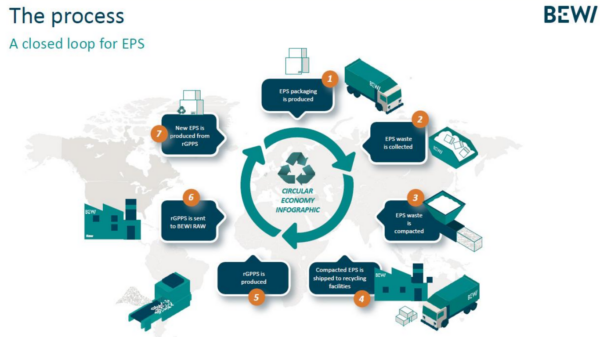
Recycling of polystyrene is fairly easy in that the material is simple to process. Courtesy of University of Glasgow
New Tools Aim to Standardise Access
In January 2025, the BPF EPS Group released an EPS Recyclers Map that lists collection and recycling facilities nationwide. The tool is designed for councils, businesses and institutions. It enables users to locate drop-off sites and contact operators directly. It also helps recyclers secure consistent material flows, which are essential for efficient operations.
Chemical Recycling Shows Increasing Strategic Potential
Chemical recycling is gaining attention due to its ability to process contaminated EPS waste. The method handles EPS waste from construction sites, which often contains mixed materials. It diverts difficult waste from landfill and energy recovery. The BPF Recycling Roadmap forecasts 100 tonnes of chemically recycled EPS annually by 2030 and 400 tonnes by 2035. Acceptance of mass balance accounting in the UK may support further investment. Industry groups still request a clear implementation timeline.
Mechanical Recycling Remains the Primary Operational Route
Mechanical systems continue to handle most UK EPS recycling. The process includes sorting, cleaning, and shredding. It is then compacted or densified to reduce volume by up to 95%. This step allows higher payload efficiency during transport. Densified blocks are delivered to reprocessing plants where they are melted and extruded into pellets. These pellets are used in insulation products, packaging and various consumer goods.
Recycled EPS retains material value because it can replace virgin feedstock in multiple applications. Some recyclers purchase densified EPS, with reported payments reaching up to £500 per tonne. Values depend on contamination level, compaction method and regional demand. This commercial activity enables traceability and supports supply chain integration between waste producers and reprocessors.
A Clear Direction but Significant Work Ahead
EPS recycling continues to expand through stronger data, improved technology and rising public expectations. However, progress depends on better awareness and stronger infrastructure. The UK holds strong momentum. The challenge now is unifying public willingness and industrial capability. With targeted investment and better communication, EPS can support a more robust circular economy.