
Bio-Based Media for Micro- and Nanoplastics Removal
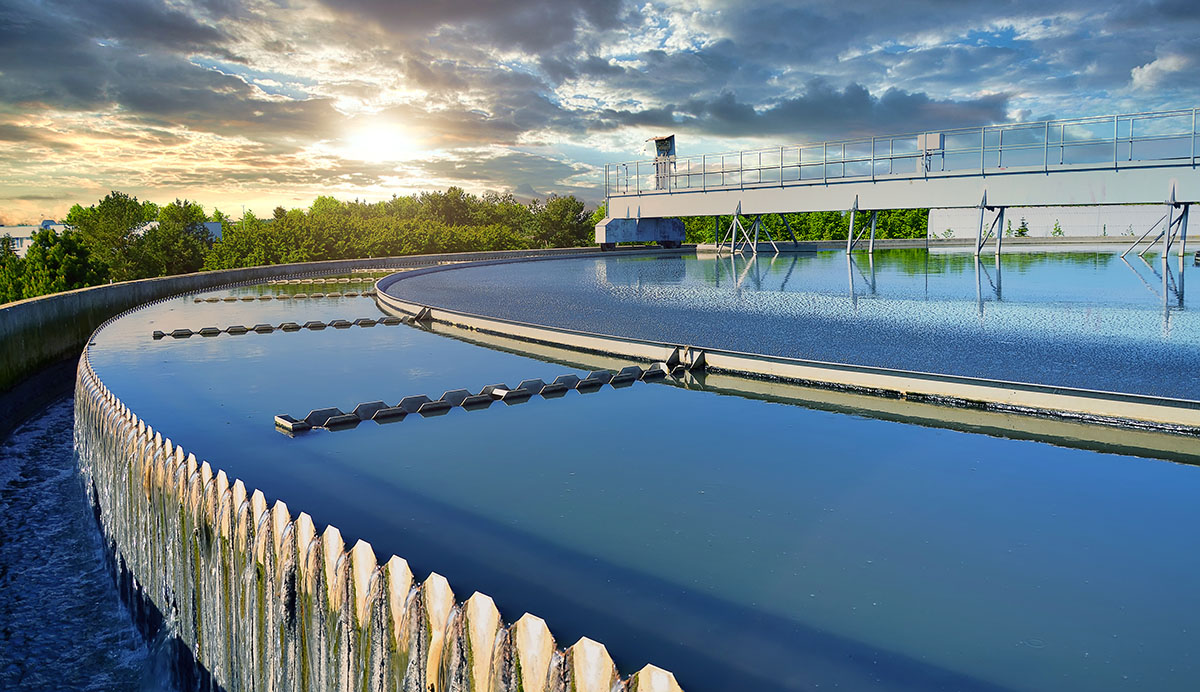
Green coagulation and nanocellulose foams improve microplastic removal, yet integration challenges include clogging and media handling.
Microplastics are persistent contaminants in wastewater treatment systems, and these systems are significant microplastic entry points into the environment. Traditional treatment methods, such as filtration, coagulation, and sedimentation, have significant limitations for removing nanoscale microplastics.
You can also read: PFAS Contamination Tests the Limits of UK Policy.
Developing biopolymer- and nanocellulose-based systems for managing microplastics in wastewater is an emerging area of research. As this research continues, policy will play a key role in ensuring new solutions are both practical and effective.
Nanocellulose for Capturing Pollutants
Nanocellulose can serve as a substrate for affordable, ecologically sound water-treatment media. This abundant, biodegradable biopolymer has a high surface area, which is beneficial to microplastic absorption. Pickering foam composed of nanocellulose can further increase its specific surface area through its numerous pores.
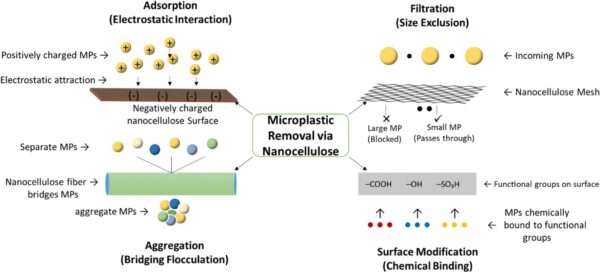
Nanocellulose remediates microplastic contamination in water through adsorption, filtration, aggregation, and surface modification. Figure courtesy of Microplastic removal from wastewater through biopolymer and nanocellulose-based green technologies.
Biopolymers: Renewable Microplastic Removal
Biopolymers, including chitosan, alginate, starch, polylactic acid, polysaccharides, and lignin, can also remove microplastics in wastewater. Chitosan and polysaccharides, for example, are both bioflocculants. These materials promote microplastic aggregation, facilitating sedimentation or filtration for removal. Research has demonstrated that cationically modified starch effectively removes microplastics across a range of water conditions. Starch can also destabilize microplastic suspensions, allowing them to aggregate and form larger, easily removable flocs.
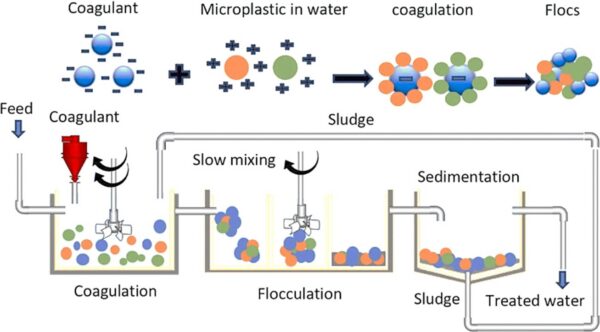
Coagulation and flocculation are important processes for removing microplastics from wastewater. Figure courtesy of Microplastic removal from wastewater through biopolymer and nanocellulose-based green technologies.
Bolstering Bio-Based Solutions Through Regulations
Laws and regulations shape how nations mitigate microplastic contamination. In the European Union, the recently revised Urban Wastewater Treatment Directive (TA/2019/0071) provides guidance on treating urban wastewater, including microplastics. The European Union has broadened manufacturer responsibility and recycling standards for its members, and other regulatory bodies have followed suit. Additionally, ecolabeling schemes, such as the EU Ecolabel and Blue Angel, promote sustainable technology awareness and adoption.
Nanocellulose and biopolymer-based microplastic removal systems use renewable resources and are biodegradable. These systems minimize ecological toxicity risks and long-term pollution. By optimizing their production, manufacturers can support circular economy goals, while benefiting from EU-level funding schemes and green procurement initiatives.
Adapting Existing Systems to Green Tech
The challenge of implementing novel filtration technologies is their integration with existing wastewater treatment systems. Clogging, increased operational complexity, and material management and recycling are factors for consideration. Further research exploring system modularity may allow additional filtration while allowing for flexibility. Scalability, durability, and long-term performance monitoring will be vital for large-scale implementations for enhanced wastewater management.
High costs, technological limitations, and regulatory hurdles currently limit use of nanocellulose and biopolymers in wastewater treatment. Policy linking wastewater management with solid waste management may bolster acceptance of these technologies. The enforcement of recycling standards, microplastic regulation, and increased public awareness can help overcome these challenges.