
The Science of Persuasive Packaging Design
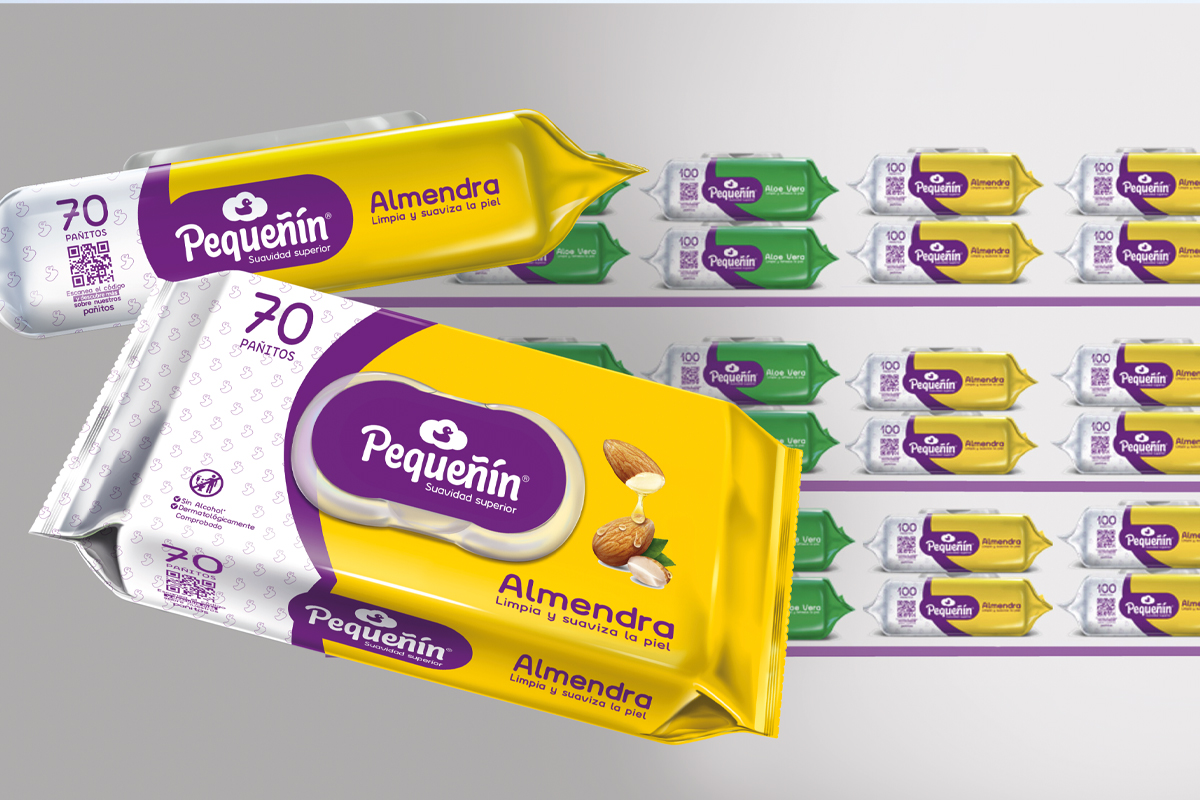
Behind every shelf decision lies a three-second battle for attention where brain patterns determine commercial success.
In the average supermarket, a shopper encounters more than 40,000 products. Their brain processes fewer than 30% consciously. The rest do not exist. This reality defines the central challenge of modern packaging: in a world saturated with options, invisibility equals nonexistence.
You can also read: How Packaging Pictograms Shape Consumer Decisions in Seconds.
Visibility follows specific neuroscientific patterns that designers can understand and leverage strategically. Effective packaging embodies the systematic application of knowledge about how shoppers’ minds work at the purchase decision moment.
The Three-Second Window
The brain processes images 60,000 times faster than text. Shoppers first see color, then shapes, then images, and finally text. This sequence follows neurological imperatives.
The shopper’s brain operates in automatic mode, seeking familiar patterns and visual shortcuts. When encountering a product, three unconscious questions emerge: “Can I see it clearly?” “Do I understand what it is?”, and “Does it generate trust?”. Packaging that fails at the first step never reaches the second. A confusing design generates automatic rejection. Design that fails to connect emotionally becomes instantly forgettable.
The Power of Intelligent Contrast
Contrast involves highlighting intelligently within the specific display context. A red package can disappear where everyone uses red, yet prove impactful in a blue-dominated category.
Effective designers understand their true canvas extends beyond individual packaging to encompass the entire shelf. They study the visual landscape to identify differentiation opportunities through clear communication. This principle becomes critical in e-commerce, where products appear as small grid images. On mobile screens, differentiation in tiny spaces determines sales success.
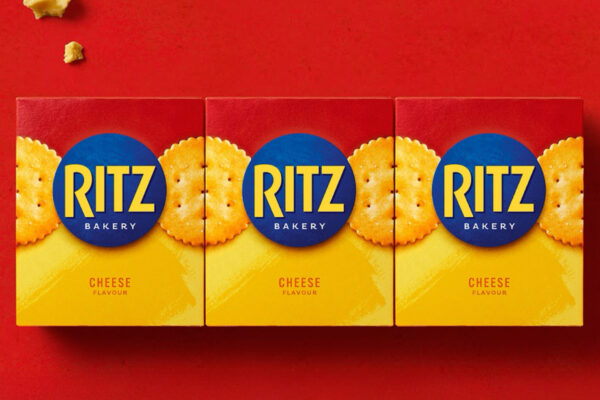
Ritz’s redesign demonstrates brand blocking’s power to dominate shelf space. The unified pack architecture system creates visual patterns that complete across adjacent products, transforming individual packages into a cohesive territorial presence. This wallpaper effect amplifies the brain’s pattern recognition capabilities, making the brand register as a single dominant entity rather than scattered SKUs. Design by Bulletproof.
Simplicity as Strategy
The shopper’s brain can effectively process only three to four visual elements per package before experiencing cognitive fatigue. Every element must earn its place: does it contribute to the purchase decision or create visual noise?
Eye-tracking studies reveal that packaging with more than four competing elements increases decision time by over one second. In retail context, that additional second often means losing the sale. Successful brands prioritize ruthlessly: ensuring brand recognition from a distance, facilitating variant differentiation at medium range, and communicating core benefits when the product reaches the shopper’s hands.
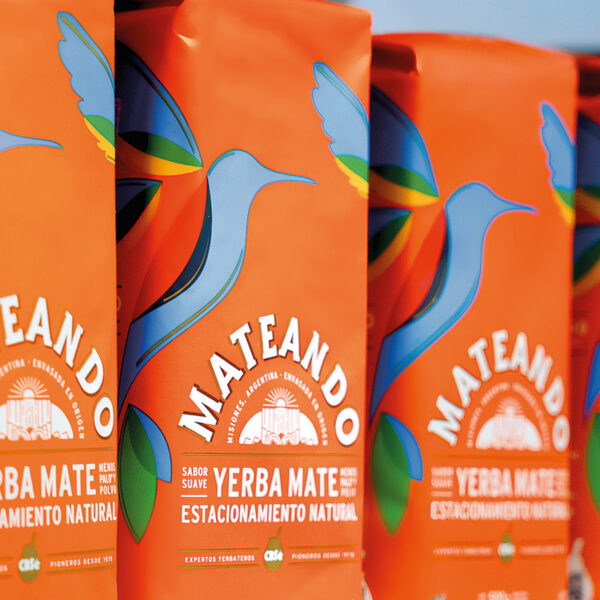
Mateando’s entry into Argentina’s traditional yerba mate market demonstrates persuasive design principles in action. The monomaterial recyclable structure with matte finish creates tactile differentiation that triggers the brain’s three-second decision window. Combined with distinctive color codes and custom typography, each element addresses the unconscious questions shoppers ask: visibility, comprehension, and emotional connection. Design by Tridimage.
Beyond Function: Packaging as Narrative
Shoppers seek solutions to problems, desirable experiences, and purposes with which they can identify. Effective packaging design communicates what the product promises in the shopper’s life.
This narrative must be instantly comprehensible. A photograph of the product being used in real context generates more trust than idealized illustrations. Behavioral research confirms that packaging with strong emotional connection increases purchase rates by up to 50% compared with purely functional communication.
In a market where attention constitutes the scarcest resource, effective packaging design follows scientific principles. Every visual element becomes a hypothesis about shopper behavior that must be validated. Brands that master this applied science will create lasting connections with shoppers who, in a world of unlimited options, will consistently choose their products.
Would be brilliant if articles such as this one addressed key questions that go beyond pure marketing, so that the designers of the future consistently consider waste and sustainability issues, including questions such as: what types of waste does the packaging create? Does the packaging release harmful chemicals at any stage of its life cycle? Is the packaging recyclable in practice and at scale where the product will likely be used? Does it risk being mismanaged at end-of-life?
It would be great if articles in leading magazines such as this one started to ask critical questions to help engineers consider how the industry can prevent plastic pollution and reduce waste generation.