
Lightweight Surgical Guides with Syensqo KetaSpire PEEK
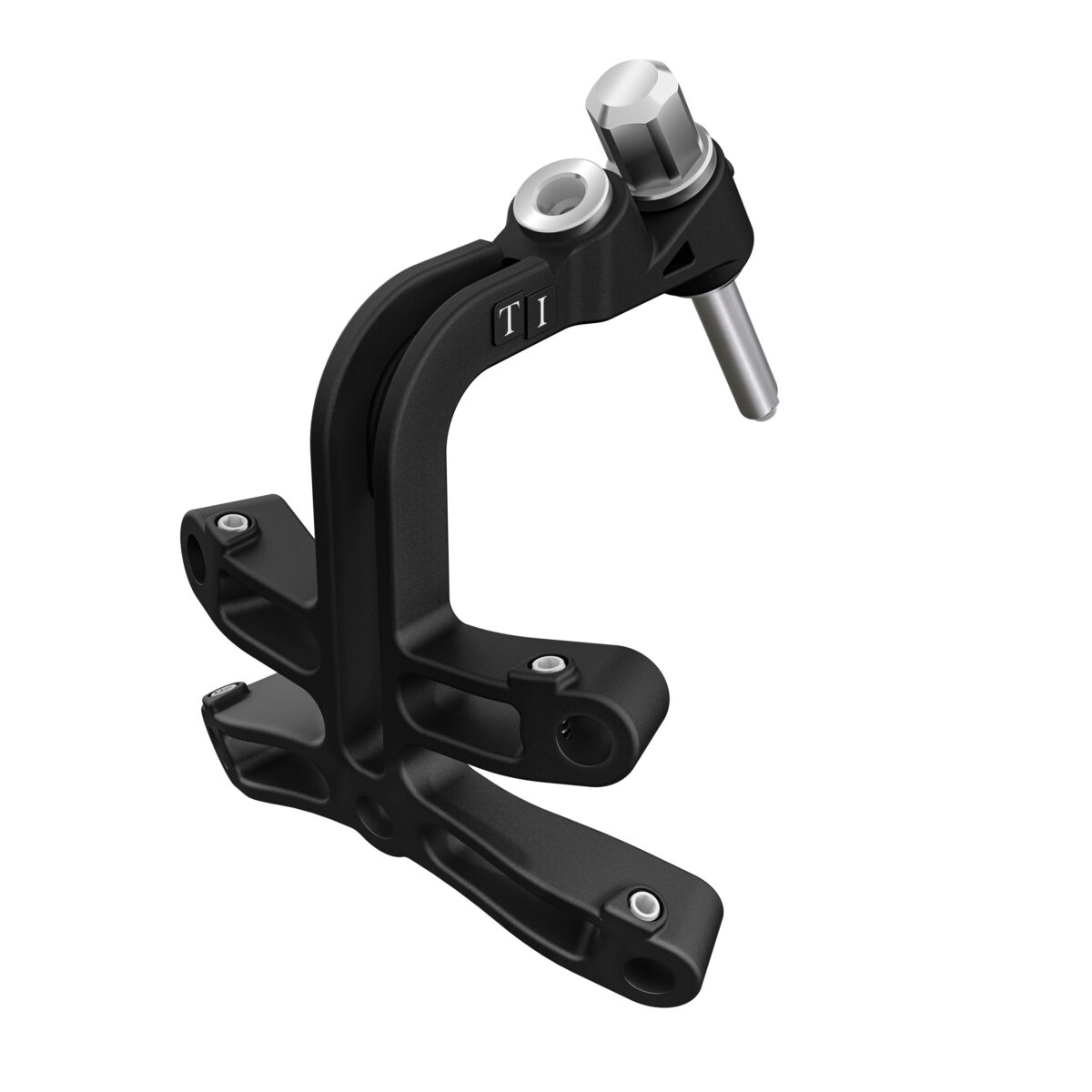
KetaSpire PEEK surgical guides replace metal, offering lightweight, radiotransparency, and reliable sterilization for precise orthopedic surgery.
Orthopedic procedures require exact and reproducible instrumentation, so surgical guides now play a central role in implant positioning. Historically, manufacturers relied on metallic alloys for these guides, which provided high strength and stiffness for demanding orthopedic applications.
You can also read: Elevating PEEK Composites with Glass Fiber.
However, metallic guides introduced drawbacks, including higher mass, limited design freedom for complex geometries, and interference with intraoperative imaging quality. Today, a new generation of guides made from KetaSpire PEEK, a medical-grade polyetheretherketone from Syensqo, is redefining instrumentation.
From Metallic Alloys to High-Performance PEEK
To begin with, the transition from metal to KetaSpire PEEK aims to achieve one core goal: preserving mechanical performance while improving ergonomics. KetaSpire PEEK surgical guides are up to 70% lighter than comparable metal designs, substantially reducing the mass handled during procedures. Consequently, surgeons experience less hand and forearm fatigue, which can enhance fine motor control and comfort in lengthy operations. At the same time, the material still delivers the stiffness, strength, and fatigue resistance required for high-load orthopedic applications.
Moreover, KetaSpire PEEK maintains stable mechanical behavior under repeated use, clamping, and drilling, supporting consistent performance case after case.
Additionally, the material withstands multiple sterilization cycles without significant property degradation, reinforcing safety and reliability in clinical environments.
Radiotransparency Enables Unobstructed Intraoperative Imaging
One of the most notable advantages of KetaSpire PEEK is its intrinsic radiotransparency during intraoperative imaging procedures. Unlike metal, this polymer does not generate streaks, shadows, or artifacts on X-ray or other imaging modalities used intraoperatively. Therefore, surgeons can visualize bone structures, implants, and surrounding anatomy while the guide remains in place on the patient. This continuous visualization enables real-time verification of alignment and depth without interrupting workflow to remove and reposition guides.
As a result, imaging clarity supports more accurate implant placement and reduces the need for corrective adjustments during surgery. Ultimately, improved intraoperative visualization can contribute to shorter procedures, more predictable outcomes, and fewer post-operative complications related to malalignment.
Engineered for Sterilization, Reuse, and Daily Workflows
From an operational standpoint, KetaSpire PEEK guides integrate efficiently into existing hospital sterilization and reprocessing infrastructure. They are compatible with common sterilization methods, including steam, ethylene oxide, and gamma irradiation, under routine hospital conditions.
Furthermore, the material retains mechanical integrity and dimensional stability after repeated sterilization cycles, enabling reliable reuse in demanding surgical environments. This combination of low weight, robust mechanical performance, and sterilization compatibility enhances ergonomics for the entire surgical team.
Consequently, handling, positioning, and passing instruments become easier and more controlled, especially during long or complex orthopedic interventions.
Collaborative Innovation in Surgical Instrumentation
From a development perspective, KetaSpire PEEK surgical guides result from close collaboration between materials scientists and orthopedic device manufacturers. Companies such as Hanisch Medical and TechImport have engineered guide designs that fully leverage this high-performance polymer’s capabilities. Meanwhile, Syensqo contributes expertise in medical-grade PEEK formulation, processing, and regulatory support, helping accelerate adoption in healthcare markets. Together, these partners demonstrate how replacing conventional metals with advanced engineering polymers can unlock new value in medical devices.
By combining lower weight, radiotransparency, and reliable sterilization performance, KetaSpire PEEK guides address practical needs in the operating room.
Looking ahead, as orthopedic surgery advances toward higher precision and efficiency, polymer-based guides are poised for broader global adoption.